
The Power of Breathwork for Mental Wellness
Amy Bishop | OCT 16, 2023
#yoga
#yogapractice
#senioryoga
#mentalawareness
#mentalwellness
#seniors
#mentalhealth
#stressreduction
#mood
#moodenhancement
#increasedselfawareness
#meditation
#mindfulness
#bettersleep
#improvedfocus
#emotionalregulation
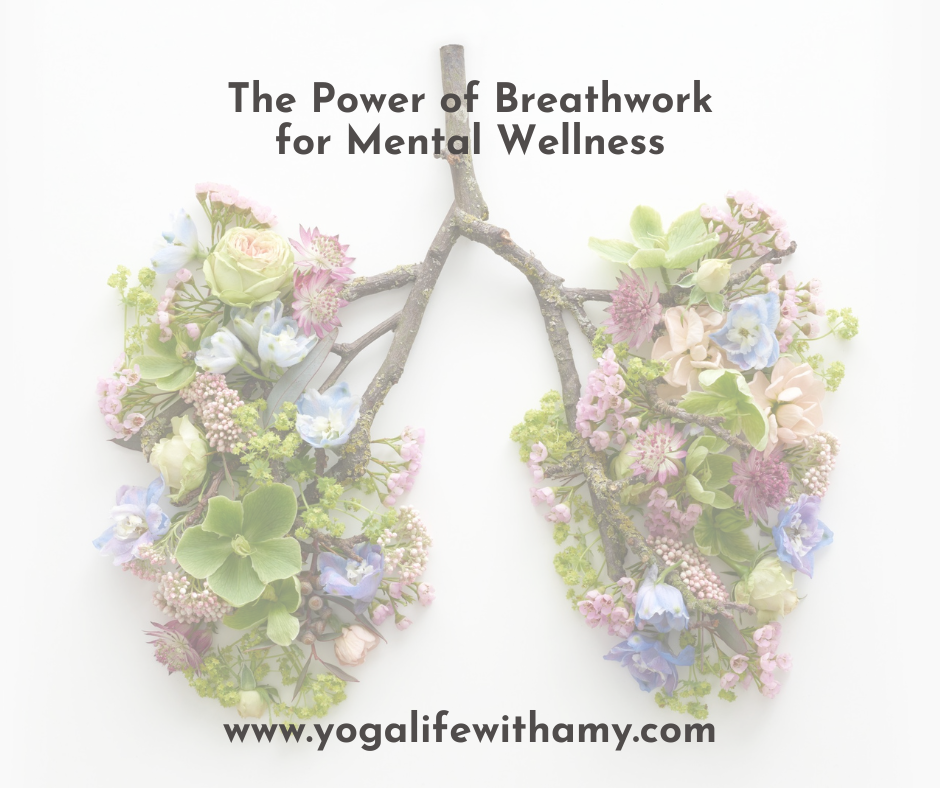
Breathwork is a practice that focuses on conscious control and manipulation of one’s breath to enhance mental and emotional well-being. It is deeply intertwined with mental wellness, as it offers a range of benefits for the mind and can be an available tool for managing stress, anxiety and promoting overall mental health. In this blog post, we will explore the key points related to breathwork and mental wellness.
UNDERSTANDING BREATHWORK
Breathwork is not merely inhaling and exhaling; it is a deliberate, structured practice that focuses on controlling your breath to elicit specific emotional and psychological responses. There are various breathwork techniques, but the common thread among them is the belief that the breath connects the mind, body, and spirit. Here are some key aspects of breathwork:
Conscious Breathing: Breathwork emphasizes the importance of mindful, intentional breathing. By becoming aware of your breath, you can gain insight into your emotional state and use your breath as a tool to influence it positively.
Ancient Wisdom: Breathwork has deep roots in ancient cultures, such as yoga in India, pranayama in Hinduism, and qigong in China. These practices recognized the connection between breath and mental well-being long before modern science.
Scientific Validation: Today, scientific research supports the efficacy of breathwork. STudies have shown that controlled breathing can reduce stress, anxiety and symptoms of depression, making it a valuable tool in modern mental health care.
BENEFITS OF BREATHWORK FOR MENTAL WELLNESS
Now, let’s explore the incredible benefits breathwork offers for mental health:
Stress Reduction: Deep, rhythmic breathing activates the body’s relaxation response, reducing the production of stress hormones like cortisol. Regular breathwork can help you manage and alleviate stress.
Anxiety Management: Breathwork techniques, such as diaphragmatic breathing, can help calm an anxious mind. By focusing on your breath, you shift your attention away from worrisome thoughts, promoting a sense of tranquility.
Emotional Regulation: Breathwork can be a powerful tool for managing and regulating your emotions. It enables you to stay grounded and composed in challenging situations, fostering emotional resilience.
Improved Focus and Clarity: By enhancing oxygen flow to the brain, breathwork can sharpen your focus and mental clarity. It’s a valuable practice for enhancing productivity and decision-making.
Enhance Self-Awareness: Consistent breathwork can deepen your connection with your inner self. It allows you to observe your thoughts and feelings without judgment, promoting self-awareness and self-acceptance.
Better Sleep: Breathing techniques can be instrumental in improving the quality of your sleep. Calm, controlled breath helps induce relaxation, making it easier to fall asleep and enjoy a restful night.
Release of Tension: Breathwork can release physical tension held in the body, which often accompanies stress and anxiety. By consciously relaxing tense muscles through deep breathing, individuals can experience physical and mental relief.
Resilience Building: Consistent breathwork practice can increase resilience to life’s challenges. It helps individuals develop coping mechanisms and adapt more effectively to stressors, ultimately contributing to better mental well-being.
Accessibility: One of the great advantages of breathwork is its accessibility. It can be practiced virtually anywhere and requires no special equipment. This makes it a convenient and cost-effective way to support mental wellness.
GETTING STARTED WITH BREATHWORK
Some of the wonderful mental wellness benefits of breathwork are below:
Choose a Technique: Explore various breathwork techniques like box breathing, deep belly breathing, or the Wim Hof method. Experiment to find the one that resonates with you the most.
Set Aside Time: Dedicate a few minutes each day to practice. Consistency is key to experiencing the benefits of breathwork.
Find a Quiet Space: Create a peaceful environment where you can focus on your breath without distractions.
Guidance: Consider seeking guidance from a breathwork practitioner or using apps and online resources that offer guided sessions.
Listen to Your Body: Pay attention to how your body responds to different techniques. Adjust your practice to suit your comfort and needs.
In conclusion, breathwork is a potent tool for enhancing mental wellness. It offers a holistic approach to managing stress, anxiety, and promoting overall mental health. By integrating breathwork into your daily routine, you can tap into the transformative power of your breath and unlock a greater sense of well-being.
#yoga; #yogapractice; #senioryoga; #mentalawareness; #mentalwellness; #seniors; #mentalhealth; #stressreduction; #mood; #moodenhancement; #increasedselfawareness; #meditation; #chairyoga; #mindfulness; #bettersleep; #improvedfocus; #emotionalregulation
Amy Bishop | OCT 16, 2023
Share this blog post